Looking after a loved one can be rewarding. It can also be tiring at times. Many families need extra support so they can rest and recharge. This is where respite care becomes helpful. One of the most common questions families ask is How Long Can Someone Stay in Respite Care.
The answer depends on several factors. These include the type of respite care being used and the person’s individual needs. Understanding How Long Can Someone Stay in Respite Care can help families plan better and make informed decisions. Many Australians use CareCircle to learn about available support services and find trusted providers.
Understanding How Long Can Someone Stay in Respite Care
Before looking at time limits it is important to understand what respite care is. Respite care provides temporary support for older people and individuals with disabilities. It also gives caregivers time to rest or focus on other responsibilities.
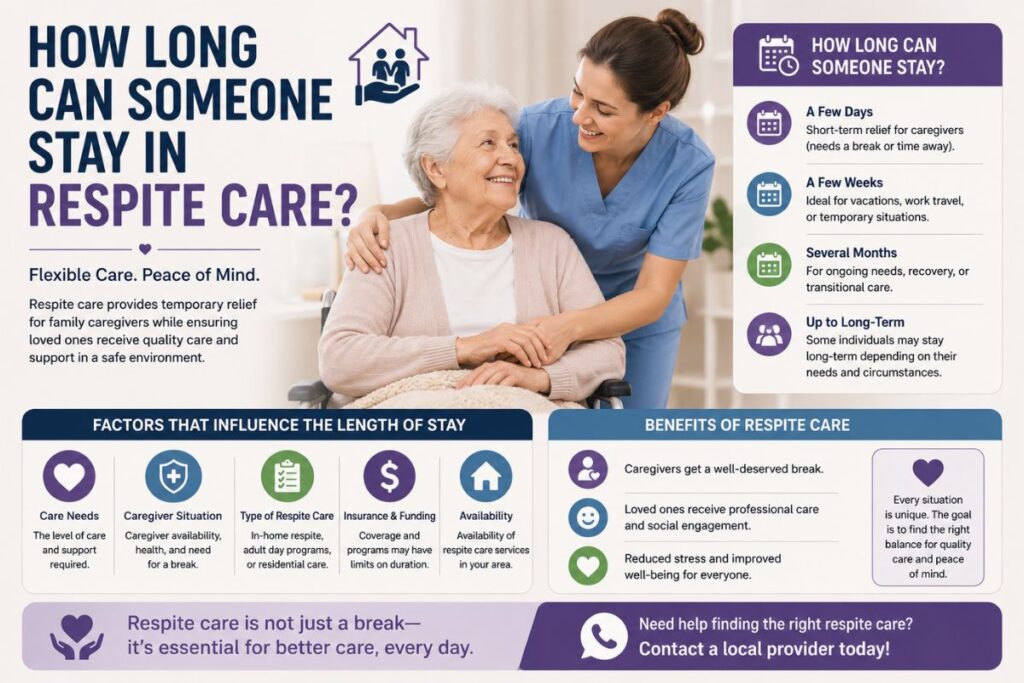
Many families ask How Long Can Someone Stay in Respite Care because they want to know how much support is available. The length of stay can vary. Some people only need care for a few hours. Others may stay for several days or weeks depending on their situation.
Services can be arranged through respite care services that are designed to support both participants and caregivers. The goal is to provide flexible care while maintaining quality of life.
Why Families Use Respite Care
Caring for someone every day can be challenging. Family caregivers often balance work home life and caregiving responsibilities. Over time this can become stressful.
Learning How Long Can Someone Stay in Respite Care helps families understand their options. A short break can improve wellbeing and help caregivers continue providing quality support.
Many people use caregiver support services because they need time to attend appointments spend time with family or simply rest. Respite care allows this to happen while ensuring the person receiving care remains safe and supported.
The Importance of Taking a Break
Taking a break is an important part of caregiving. It helps reduce stress and prevents burnout. This is why respite care is often recommended for families providing long term care.
How Long Can Someone Stay in Respite Care Under Government Programs
In Australia the length of respite care can depend on the support program being used. Government funded services often have guidelines that help determine eligibility and duration.
When people ask How Long Can Someone Stay in Respite Care they are often referring to funded respite programs. In many cases short term stays are available for planned breaks or emergency situations.
The exact length may vary depending on funding availability assessment outcomes and individual needs. Families should speak with providers to understand the specific rules that apply to their situation.
Many people use CareCircle to connect with providers who can explain available support options and eligibility requirements.
Different Types of Respite Care
The answer to How Long Can Someone Stay in Respite Care also depends on the type of respite service chosen. There are several options available across Australia.
In Home Respite
With in home respite care a support worker visits the person’s home. This service may last a few hours or extend over longer periods depending on needs and available funding.
Many families choose this option because it allows the person receiving care to remain in familiar surroundings.
Centre Based Respite
Some people attend community centres where they can enjoy activities and social interaction. These programs often operate during the day and may be available on a regular schedule.
Short Term Accommodation
Short term accommodation provides temporary stays in a supported environment. The length of stay can vary depending on funding and care requirements. This option is often used when caregivers need a longer break.
These different services help answer the question How Long Can Someone Stay in Respite Care because each option offers different levels of flexibility.
Who Is Eligible for Respite Care
Eligibility is another important factor. Many people wonder not only How Long Can Someone Stay in Respite Care but also who can access these services.
Older Australians people living with disabilities and individuals with ongoing support needs may be eligible for respite care. Assessments are often used to determine the level of support required.
Many services are linked to aged care support and NDIS respite care programs. These programs are designed to help people maintain independence while supporting family caregivers.
Families often use CareCircle to find information about eligibility and available care providers.
Assessments and Care Plans
Most respite services involve some form of assessment. This helps determine the type of care needed and how support should be delivered.
Care plans are created to ensure services meet the individual’s needs. This can also influence the length and frequency of respite stays.
Benefits of Respite Care
Understanding How Long Can Someone Stay in Respite Care is important but it is also helpful to understand the benefits. Respite care supports both caregivers and participants.
Caregivers gain time to rest and manage personal responsibilities. Participants often enjoy new experiences social interaction and additional support.
Many people involved in disability support services find that respite care improves overall wellbeing. It creates balance and helps maintain healthy caregiving relationships.
Regular access to respite care can also improve confidence for both caregivers and participants. Knowing support is available provides peace of mind.
Choosing the Right Respite Provider
Finding the right provider is an important step. Families should look for experienced professionals who understand individual needs.
When exploring How Long Can Someone Stay in Respite Care it is helpful to ask providers about available services funding options and flexibility. Different providers may offer different levels of support.
Questions to ask may include:
- How long can respite stays last?
- What services are included?
- Are emergency respite options available?
- What eligibility requirements apply?
Many families use CareCircle because it makes it easier to compare providers and find suitable support.
Planning for Future Care Needs
Respite care is often part of a larger care plan. Families should think about future needs as well as current requirements.
Understanding How Long Can Someone Stay in Respite Care allows families to plan ahead. It also helps ensure support remains available when circumstances change.
As care needs increase respite services may become even more important. Having a trusted provider and a clear plan can make future decisions easier.
Platforms like CareCircle help families explore options and stay informed about available support across Australia.
Conclusion
Many families ask How Long Can Someone Stay in Respite Care because they want to understand their options and plan effectively. The length of stay can vary based on funding programs eligibility requirements and individual care needs.
Whether using in home respite care short term accommodation aged care support or NDIS respite care services there are flexible options available across Australia. By learning more about How Long Can Someone Stay in Respite Care families can make informed choices that support both caregivers and participants.
With help from CareCircle families can connect with trusted providers and find respite solutions that suit their unique needs.
FAQs
1. How Long Can Someone Stay in Respite Care in Australia?
The length of stay depends on the type of respite service funding arrangements and individual needs. Some stays last a few hours while others may continue for several days or weeks.
2. Can respite care be used in an emergency?
Yes. Emergency respite care may be available when unexpected situations arise and caregivers need immediate support.
3. Who can access respite care services?
Older adults people with disabilities and individuals who require ongoing support may be eligible depending on assessment outcomes and program requirements.
4. Is respite care covered by the NDIS?
Yes. Some participants may receive NDIS respite care support if it aligns with their approved plan and goals.
5. What is short term accommodation?
It is a temporary care arrangement where a person stays in a supported setting for a short period while receiving care and support.
6. Can respite care be provided at home?
Yes. In home respite care allows support workers to provide care in the person’s own home environment.
7. How can CareCircle help families?
CareCircle helps families find trusted respite care providers compare services and learn more about support options available across Australia.