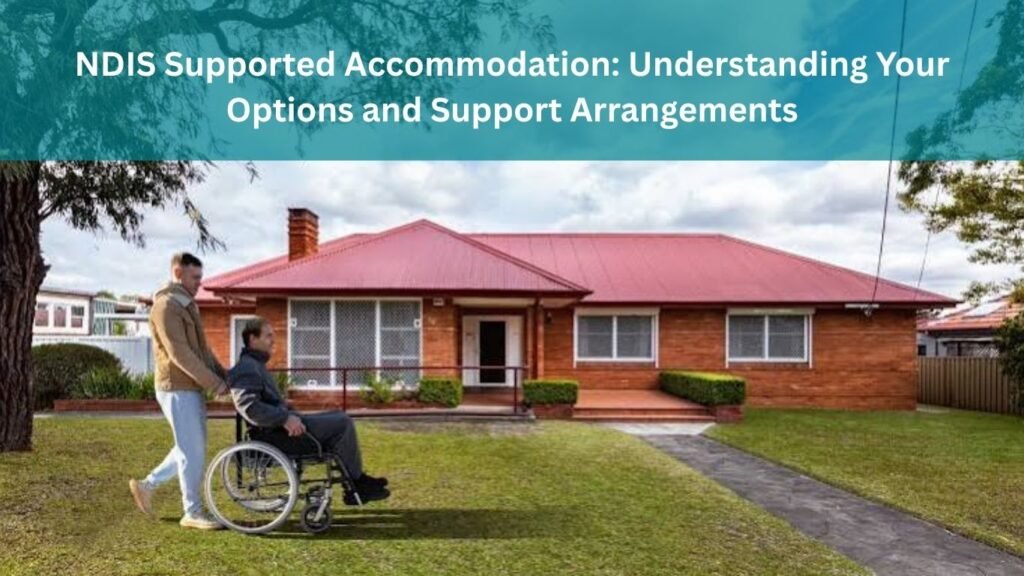
NDIS supported accommodation is a broad term often used to describe home and living arrangements where eligible NDIS participants receive disability-related support to live more safely and independently. Depending on a participant’s needs and approved NDIS plan, home and living supports may include Supported Independent Living (SIL), Specialist Disability Accommodation (SDA), Individualised Living Options (ILO), assistance with daily life, home modifications, or Medium Term Accommodation (MTA). The NDIS explains that different home and living options are available depending on the participant’s disability-related needs and goals.
For participants across Australia, the right accommodation arrangement should reflect more than just a place to live. It should consider accessibility, personal routines, level of support, independence goals, and how everyday assistance will be delivered. CareCircle focuses on a person-centred approach, where the participant’s preferences, comfort, and individual support needs remain central to planning.
From a practical perspective, it is important to understand that housing and in-home support are not always the same thing. Some NDIS supports fund the assistance provided inside a home, while other supports relate specifically to specialist housing.
How Does NDIS Supported Accommodation Work?
What Types of Home and Living Support Are Available?
A common question is, “What does NDIS supported accommodation include?” One option is Supported Independent Living, or SIL. SIL provides funding for support workers who help or supervise participants with day-to-day activities in the home. This can include personal care, getting dressed, cooking, eating, and household tasks such as cleaning. SIL is designed to help eligible participants build skills and live as independently as possible.
Another option is Specialist Disability Accommodation, or SDA. SDA refers to the physical housing itself and is designed for people with extreme functional impairment or very high support needs. SDA homes may include features such as wider doorways, wheelchair-accessible kitchens, ceiling hoists, or automated doors. SDA is separate from the support workers who provide assistance inside the home.
The NDIS also offers other home and living options depending on individual circumstances. This means NDIS supported accommodation should be considered according to the participant’s goals, functional needs, and approved funding rather than assuming one accommodation model is suitable for everyone.
CareCircle focuses on helping participants understand these differences so they can explore support arrangements that are more relevant to their everyday lives.
Benefits of NDIS Supported Accommodation for Participants
How Can Supported Living Improve Independence and Everyday Life?
The purpose of NDIS supported accommodation is to help participants access the level of support and living environment that best matches their disability-related needs. A suitable arrangement can make everyday activities easier, help participants develop practical skills, and provide greater structure and confidence at home.
For people receiving SIL, support workers may help with personal care, meal preparation, household routines, and other daily tasks. The NDIS states that SIL may suit participants who need substantial support throughout the day, including overnight assistance in some cases.
For eligible participants with very high support needs, SDA may provide a more accessible physical environment. The NDIS explains that SDA can help people live more independently and allow other disability supports to be delivered more safely or effectively.
A good living arrangement should also allow the participant to remain involved in decisions about their routines, support workers, and everyday activities. CareCircle focuses on practical support that respects individual choice rather than creating a rigid, one-size-fits-all living arrangement.
Choosing the Right NDIS Supported Accommodation Option
What Should Participants Consider Before Making a Decision?
Before selecting NDIS supported accommodation, participants and families should consider the type of support required, preferred location, accessibility, level of independence, compatibility with housemates where relevant, and how services will be delivered. It is also important to understand which costs are covered by the NDIS and which expenses remain the participant’s responsibility.
For example, SIL funding does not pay for rent, groceries, or other normal day-to-day living expenses. It pays for support workers who assist the participant in the home. SDA funding, where approved, contributes toward specialist housing, while participants still pay reasonable rent contributions and normal living expenses such as electricity.
Participants exploring SDA can use the official SDA vacancy finder to search by building type, design category, number of residents, price, and other criteria. The NDIS also recommends speaking with a planner, support coordinator, or local area coordinator when deciding whether a particular accommodation option is suitable.
CareCircle focuses on clear communication and personalized support so participants can better understand available home and living options and make decisions that align with their NDIS goals.
Conclusion
NDIS supported accommodation can include different home and living arrangements depending on a participant’s disability-related needs, goals, and approved NDIS funding. Options such as SIL and SDA serve different purposes, so understanding the difference between housing and in-home support is an important part of choosing the right arrangement.
CareCircle focuses on person-centred disability support and practical guidance for participants exploring supported living options across Australia.
FAQs
1. What is NDIS supported accommodation?
NDIS supported accommodation is a general term used for home and living arrangements where eligible participants receive disability-related housing or in-home support, depending on their NDIS plan.
2. What is the difference between SIL and SDA?
SIL funds support workers who help participants with daily activities in the home, while SDA funds specialist housing designed for people with extreme functional impairment or very high support needs.
3. Does NDIS supported accommodation cover rent and groceries?
Not usually. SIL does not cover rent, groceries, or normal living expenses. SDA funding relates to specialist housing, but participants still contribute toward rent and everyday household costs.
4. How can CareCircle help with supported accommodation?
CareCircle focuses on helping participants understand their support needs, explore suitable home and living options, and access person-centred assistance based on their NDIS goals and everyday routines.