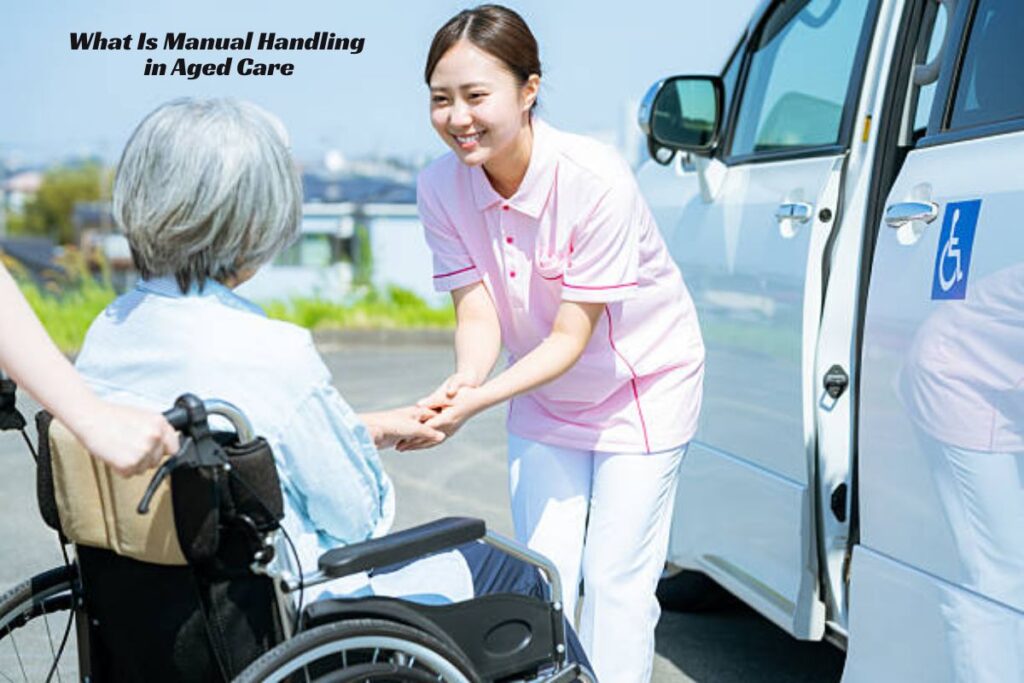
Understanding What Is Manual Handling in Aged Care is important for care workers, providers, older people and families. It covers physical tasks that involve lifting, lowering, pushing, pulling, carrying, moving, holding or supporting a person or object. Safe Manual Handling Techniques protect workers from injury while helping older people move with dignity and confidence. CareCircle explains the main risks, equipment and safety steps in simple English.
Understanding Manual Handling in Australian Aged Care
To understand What Is Manual Handling in Aged Care, think about the physical tasks completed during daily support. These may include helping a resident leave a bed, moving a wheelchair, adjusting furniture or carrying supplies. Good Workplace Safety in Aged Care means planning these tasks before movement begins and using suitable controls to reduce harm.
What Does Manual Handling Include?
The answer to What Is Manual Handling in Aged Care includes more than lifting a resident. It may involve helping someone stand, turn in bed, shower, dress or use the toilet. It can also include pushing meal trolleys, moving laundry bags and carrying equipment. Correct Manual Handling Techniques should be selected for the person, task and environment.
Common Manual Handling Tasks
When explaining What Is Manual Handling in Aged Care, common examples include transfers between beds and chairs, wheelchair movement and repositioning a person in bed. Workers may also support residents who have limited balance or strength. Suitable Safe Patient Lifting Techniques help protect both the resident and the worker during these activities.
Understanding Hazardous Manual Tasks
Some movements are classed as Hazardous Manual Tasks because they place extra stress on the body. Risk factors include repeated movement, high force, sudden force, awkward positions and holding the same posture for a long time. Learning What Is Manual Handling in Aged Care helps workers notice these dangers before they cause back, shoulder, muscle or joint injuries.
Completing a Manual Handling Risk Assessment
A Manual Handling Risk Assessment should be completed when a task may harm a worker or resident. The assessment looks at the person’s mobility, weight, strength, pain, behaviour and ability to follow instructions. It also checks the room, floor, equipment and number of workers available. This planning is a key part of What Is Manual Handling in Aged Care.
Check the Care Plan Before Moving a Resident
Before beginning a transfer, workers should read the resident’s care or mobility plan. It may explain whether the person can stand, hold a rail or use a walking aid. The plan may also state which Patient Transfer Equipment is required. Following current instructions supports Preventing Injuries in Aged Care and reduces confusion during movement.
Use Safe Patient Lifting Techniques
Knowing What Is Manual Handling in Aged Care requires more than remembering one lifting method. Workers should prepare the area, explain the movement and encourage the resident to do what they can safely manage. They should avoid twisting, sudden pulling and reaching from an unstable position. Safe Patient Lifting Techniques must match the assessed needs of the resident.
Use Suitable Patient Transfer Equipment
Equipment can reduce What Is Manual Handling in Aged Care physical force needed during transfers. Common Patient Transfer Equipment includes mobile hoists, ceiling hoists, slide sheets, transfer boards, standing aids and adjustable beds. Equipment must be suitable for the resident and used within its weight limit. Understanding What Is Manual Handling in Aged Care also means checking equipment before each use.
Keep Transfer Equipment Maintained
Providers should arrange regular inspections, servicing and repairs for hoists and other devices. Damaged slings, weak batteries or missing parts can create serious risks. Records should show when each item was checked and who completed the work. Proper maintenance supports Workplace Safety in Aged Care and helps prevent equipment failure.
Complete Aged Care Manual Handling Training
Workers need practical Aged Care Manual Handling Training before completing transfers or using lifting devices. Training should cover risk awareness, care plans, equipment checks and safe movement. Workers also need supervised practice to show that they can complete each task correctly. This training makes What Is Manual Handling in Aged Care easier to understand in real situations.
Training Must Match the Workplace
General instructions are not enough for every care setting. Aged Care Manual Handling Training should reflect the equipment, rooms, residents and tasks found in that workplace. Refresher training may be needed when equipment changes, an incident happens or a worker requires extra support. Effective training should work alongside stronger safety controls rather than replace them.
Responsibilities of Aged Care Providers
Providers must identify risks, provide safe systems and make suitable equipment available. They should also consult workers and respond to reported hazards. These duties are central to What Is Manual Handling in Aged Care because safety depends on staffing, workplace design and clear procedures. A detailed Manual Handling Risk Assessment can help providers choose better controls.
Responsibilities of Care Workers
Workers should follow training, What Is Manual Handling in Aged Care care plans and workplace procedures. They must use the correct equipment and report faults, pain, incidents or changes in a resident’s mobility. They should not attempt a task that requires more workers or skills than are available. These steps support Preventing Injuries in Aged Care and protect residents from unsafe transfers.
Ask for Help When It Is Needed
A worker should pause when a task cannot be completed safely. The resident may be tired, distressed or unable to support their usual weight. The equipment may also be unavailable or unsuitable. Asking another trained worker or supervisor for help is part of Workplace Safety in Aged Care, not a sign of weakness.
Responding to a Resident Who Falls
Workers should not automatically lift a fallen person from the floor. They should first follow emergency procedures and check for pain, injury or illness. A qualified health professional may need to assess the resident. Approved Patient Transfer Equipment and trained assistance should be used when movement is safe. This approach supports Preventing Injuries in Aged Care.
Manual Handling During Home Care
Learning What Is Manual Handling in Aged Care is also important for workers who visit private homes. Small rooms, pets, steps, low furniture and limited equipment can increase risk. A Manual Handling Risk Assessment should consider the home environment while respecting the older person’s privacy, choices and daily routine.
Protecting the Resident’s Dignity
Safe movement should always be person-centred. Workers should explain the task, ask for consent and protect the resident’s privacy. They should not rush or speak about the person as if they are an object. Respectful Manual Handling Techniques help the resident feel involved, calm and secure.
Reviewing Manual Handling Procedures
Care needs may change after an illness, fall, hospital visit or decline in mobility. Providers should review transfer plans and Safe Patient Lifting Techniques when a change occurs. Staff feedback, incident reports and equipment records can also show where improvements are required. Regular review supports safer and higher-quality care.
Conclusion
So, What Is Manual Handling in Aged Care? It includes physical tasks used to move, support or reposition residents and workplace items. These tasks can cause harm when risks are ignored or unsuitable methods are used. CareCircle believes strong Aged Care Manual Handling Training, safe equipment and clear care plans are essential for protecting workers and older people.
FAQs
Why Is Manual Handling in Aged Care Important?
Manual handling is important because many residents need physical support with movement and personal care. Correct Manual Handling Techniques reduce the chance of falls, discomfort, strains and other injuries. They also help older people remain involved in their own movement.
What Are Examples of Hazardous Manual Tasks?
Examples of Hazardous Manual Tasks may include lifting a person without suitable assistance, repeatedly bending over a low bed or pushing a heavy trolley. Sudden movements from a resident may also increase the force placed on a worker’s body.
Can One Worker Use a Hoist Alone?
This depends on the equipment instructions, workplace procedure and resident’s care plan. Some transfers may require two trained workers. Safe use of Patient Transfer Equipment must follow the manufacturer’s instructions and the completed risk assessment.
How Often Should Workers Receive Training?
There is no single schedule suitable for every workplace. Aged Care Manual Handling Training should be provided before workers complete relevant tasks. Refresher instruction should be arranged when risks, equipment, procedures or resident needs change.
How Can Manual Handling Injuries Be Prevented?
What Is Manual Handling in Aged Care requires early risk identification, suitable workplace design, maintained equipment and enough trained workers. Staff should follow care plans, communicate clearly and report hazards before they lead to harm.